Rain Bow Font: Adding Vibrant Color to Your Creative Projects
When a design calls for an immediate injection of joy, energy, and color, standard typography often falls short. This is where a specialized premium font like Rain Bow enters the conversation. It is not merely a set of characters; it is a visual statement designed to capture attention through a playful, layered aesthetic. Understanding how to leverage such a distinctive creative font can be the difference between a design that blends in and one that truly connects with an audience.
Understanding the Visual Character of Rain Bow
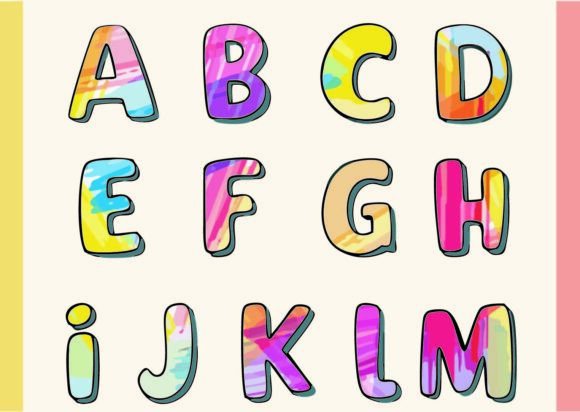
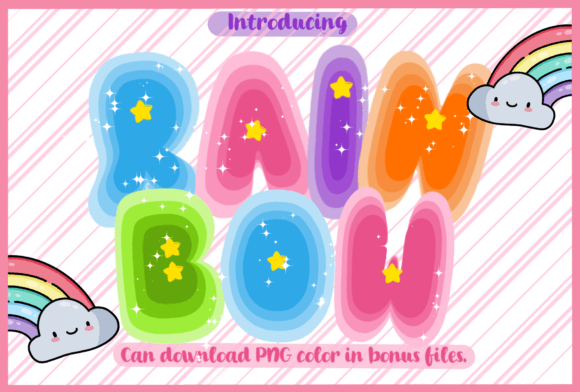
Rain Bow is a display font characterized by its letters that appear constructed from stacked, vibrant layers, mimicking the banding effect of a natural rainbow. Each glyph carries a bright, multi-colored gradient that gives the text a sense of depth and movement. Unlike a standard script font or a rigid serif font, Rain Bow prioritizes visual impact over subtlety. Its personality is undeniably cheerful, whimsical, and modern, making it a strong contender for projects that need to convey positivity and fun.
The appeal of this typeface lies in its ability to function as a design element in its own right. When you choose Rain Bow, you are selecting a font that does much of the heavy lifting in terms of color and texture. It moves beyond the simplicity of a sans serif font to offer a rich, textured appearance that feels handcrafted and energetic. For designers looking to break away from the minimalism that dominates much of modern typography, this font offers a refreshing return to bold, expressive lettering.
Strategic Applications: Where Rain Bow Shines Brightest
Identifying the right context for a font like Rain Bow is crucial for maintaining professionalism while embracing creativity. Because of its highly stylized nature, it functions best in environments where brevity and impact are paramount. It is an excellent choice for logo design for brands targeting younger demographics or those in the entertainment and lifestyle sectors. Imagine a children’s party planning service or a colorful bakery; Rain Bow can instantly establish the brand identity as approachable and lively.
In the realm of packaging design, this font can help a product stand out on a crowded shelf. It works particularly well for headlines or call-outs on packaging for snacks, toys, or creative supplies. Similarly, for social media graphics, where the goal is to stop the scroll, the vibrant layers of Rain Bow provide the necessary visual hook. It is equally effective in editorial design for magazine headlines or blog headers, provided the surrounding layout is clean enough to let the typography breathe.
For crafters and hobbyists, the utility of Rain Bow extends to physical goods. The black version of this font is fully compatible with cutting machines like Cricut, making it a valuable addition to your design assets. You can use it to create vibrant decals, greeting cards, or scrapbook elements. However, it is important to note the technical distinction: while the black version works with Cricut Design Space, the full-color version requires specific software such as Adobe Photoshop, Illustrator, or Silhouette Studio to render the rainbow gradients correctly.
Designing with Impact: Readability, Pairing, and Hierarchy
While Rain Bow is visually arresting, it requires a thoughtful approach to web design and print layouts to ensure readability. As a display typeface, it is intended for short bursts of text—headlines, titles, and logos. Using it for long paragraphs would overwhelm the eye and compromise legibility. To maintain a professional look, use Rain Bow for the primary focal point and balance it with a clean, neutral font for body copy.
Effective font pairing is essential when working with such a strong personality. A geometric sans serif font often serves as a perfect counterbalance, grounding the playful nature of Rain Bow with structure and clarity. For example, pairing Rain Bow with a font like Montserrat or Open Sans allows the colorful display font to remain the star of the show without creating visual chaos. Avoid pairing it with other ornate styles like another handwritten font, as this can lead to a cluttered aesthetic that confuses the viewer.
Evaluating Project Fit and Licensing
Before integrating Rain Bow into your workflow, consider the tone of your project. If the goal is to convey seriousness, authority, or luxury, a display font with rainbow gradients may not align with your brand identity. However, for campaigns focused on celebration, diversity, childhood, or creativity, it is an ideal fit.
When downloading this commercial font, always review the licensing terms to ensure they cover your specific usage, whether for personal projects or client work. Check the included styles to see if the font offers the specific glyph variations you need. Finally, always test your designs at the intended scale. What looks vibrant on a screen may need adjustment for print to ensure the color gradients reproduce accurately. By treating Rain Bow as a strategic tool rather than just a decorative asset, you can elevate your designs and engage your audience with a burst of well-placed color.