Ember: A Color Font for Bold, Artistic Projects
Sometimes, a design project doesn't need just a typeface; it needs a statement. If you've ever found yourself scrolling through endless lists of standard serif, sans serif, and script fonts, feeling like nothing quite captures the vibrant, energetic vibe you're after, it might be time to look at something different. Enter Ember, a typeface that doesn't just sit on the page—it performs.
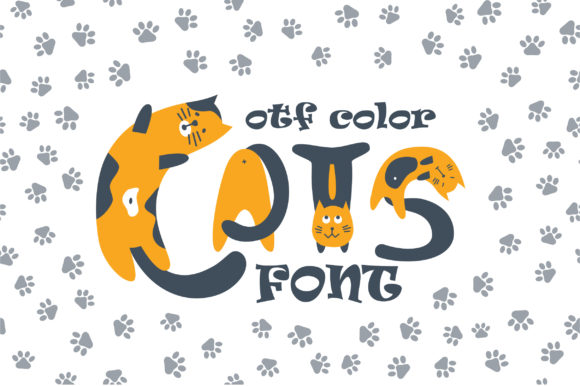
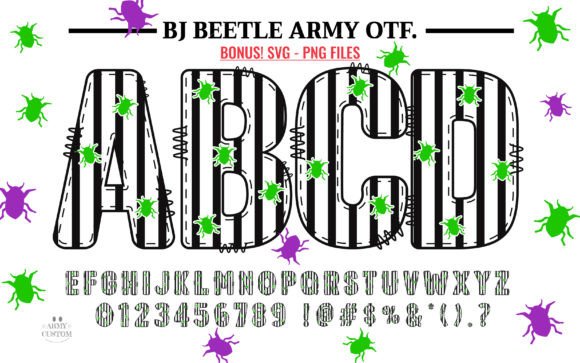
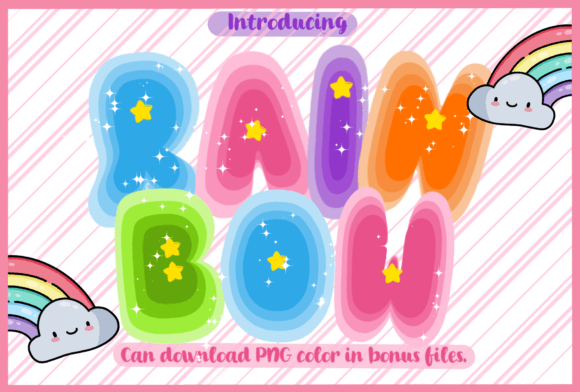
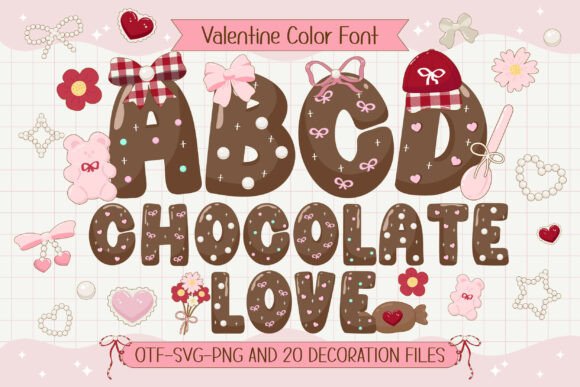
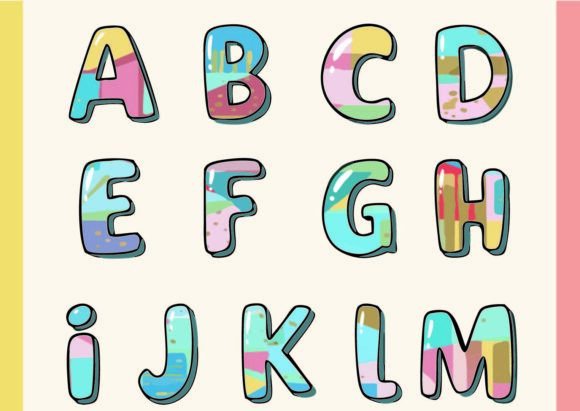
At its core, Ember is a color font, technically known as an OpenType-SVG font. This isn't your typical black-and-white set of characters. Instead, think of it as a collection of tiny, intricate paintings. Each glyph in the Ember font family is composed of complex, layered paths filled with a spectrum of colors. One letter might swirl with deep blues and fiery oranges, while the next might bloom with greens and purples. The result is a display font that feels alive, offering a "colorful heaven" for designers who want to inject immediate visual interest into their work. It’s a modern typography approach that bridges the gap between lettering and illustration.
Where Ember Truly Shines
Given its intricate and colorful nature, Ember isn't the font you'd choose for long-form body text. Its strength lies in grabbing attention, making it an ideal candidate for specific, high-impact applications. Its personality is bold, artistic, and unapologetically creative, which translates beautifully into several key areas of design.
For brand identity and logo design, Ember offers a unique opportunity. If you're working with a brand that wants to convey creativity, playfulness, or a handcrafted aesthetic, using Ember for a logotype or a brand mark can set it apart instantly. Imagine a logo for an artisanal bakery, a boutique event planner, or a creative agency—Ember provides a built-in color palette and a sense of artistry that a simple monochrome font can't match. It helps in building immediate recognition and a memorable visual impression.
In the realm of editorial design and packaging design, its utility is just as potent. A magazine cover headline, a chapter title in a book, or the primary text on product packaging can be transformed. For a craft beer label, a specialty coffee bag, or a vibrant book cover, Ember's multi-colored glyphs add a layer of sophistication and fun that communicates quality and personality. It’s a premium font choice that elevates the perceived value of the final product.
Digital creators will also find a lot to love. While web compatibility for color fonts is evolving, Ember is a powerhouse for social media graphics, video thumbnails, and digital ad creatives. In a fast-scrolling feed, a headline set in Ember stops the thumb. It’s perfect for Instagram posts, Pinterest pins, or YouTube thumbnails where visual impact is everything. For web design, it can be used strategically in hero sections or as accent text where browser support allows, adding a dynamic element to a site's visual hierarchy.
Practical Guidance for Using This Creative Font
Adopting a creative font like Ember into your workflow requires a bit of strategic thinking. Its strength is its visual complexity, which also means it demands careful consideration to ensure it enhances rather than overwhelms your design.
First, consider readability. Ember is a display font, meaning it's designed for short bursts of text—headlines, logos, and titles. Avoid setting paragraphs or small body copy with it. The detailed, colorful paths are best appreciated at larger sizes where the individual character art can be fully seen. For body text, pair Ember with a clean, simple sans serif font or a neutral serif font. This creates a clear visual hierarchy, where Ember draws the eye for key messages, and the companion font provides easy reading for supporting information.
Evaluating project fit is crucial. Ember's personality is strong. It’s perfect for projects in the arts, crafts, food, children's products, entertainment, and lifestyle sectors. It might be less suitable for corporate, legal, or highly formal applications where a more subdued and traditional typeface is expected. Ask yourself: does this project call for a celebratory, artistic, or whimsical tone? If yes, Ember is likely a great fit.
Before committing, take the time to test font pairings. The font pairing process is essential. Try combining Ember with a straightforward geometric sans serif for a modern contrast, or with a simple serif for a more classic, balanced feel. The goal is to let Ember be the star of the show without creating visual competition.
Finally, understand what you're getting. Ember is typically delivered as OTF and/or TTF files, utilizing OpenType-SVG technology. It's important to verify compatibility with your software. This design asset works seamlessly in modern versions of Adobe Photoshop, Illustrator, Silhouette Studio, and Inkscape. Always check the licensing for your intended use, especially for commercial projects. A commercial font license for a product like Ember ensures you can legally use it in client work, merchandise, and products for sale, protecting both you and your business.
In a design landscape saturated with options, Ember offers a distinct advantage. It’s more than a typeface; it’s a toolkit for instant visual storytelling. By understanding its strengths and applying it thoughtfully, you can leverage its unique, colorful character to create designs that are not only seen but truly felt and remembered. Whether you're crafting a brand, designing a package, or creating a standout social post, Ember provides a foundation of creativity that’s hard to ignore.