Understanding the Thin Blue Line: More Than Just a Flag
There is a distinct visual language that speaks volumes without uttering a single word. When we look at the landscape of modern design, particularly in the realm of brand identity and logo design, the choice of typography dictates the entire conversation. I have spent years advising clients on how to capture the "spirit" of their brand in letterforms, and few concepts are as emotionally charged or visually striking as the "Thin Blue Line" aesthetic. It is a visual shorthand for solidarity, respect, and resilience. But translating that heavy symbolism into a functional, stylish design asset requires a specific toolset. Enter the Thin Blue Line Flag Font.
This is not your run-of-the-mill display font. It is a specialized premium font designed to bridge the gap between raw patriotism and high-end design. If you are a designer or a small business owner looking to infuse your work with a sense of honor and cool confidence, this typeface offers a solution that generic fonts simply cannot match. It captures that "free-spirited pride" while maintaining the structural integrity needed for professional application.
The Anatomy of a Patriotic Typeface
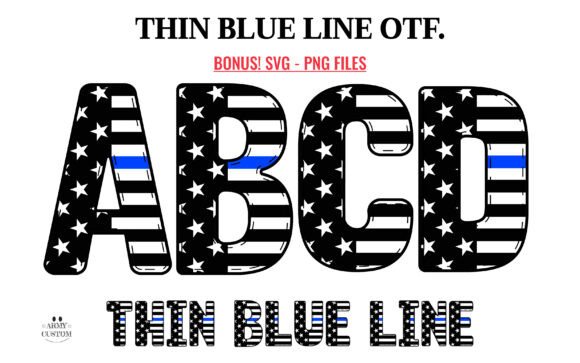
So, what makes the Thin Blue Line Font stand out in a sea of thousands of modern typography options? It comes down to the visual treatment. Visually, this font takes the skeleton of a strong, often sans serif font or a structured serif font and applies a distinct texture. The characters are often rendered with the American flag motif, but the genius lies in the "thin blue line" overlay—the horizontal stripe that cuts through the red, white, and blue, symbolizing the barrier between order and chaos.
The personality of this typeface is bold yet composed. It doesn't scream for attention; it commands it. The appeal lies in its versatility as a creative font. It carries a "cool aesthetic" because it blends national symbolism with a contemporary edge. Unlike a standard handwritten font or a flowing script font, this typeface is built on a foundation of strength. The letterforms are sturdy, the kerning is precise, and the visual impact is immediate. It is designed to resonate with those who value tradition but live in the modern world.
Practical Applications: Where Style Meets Purpose
As a creative professional, you know that a font is only as good as its application. The Thin Blue Line Font is a powerhouse across various mediums, particularly when you want to evoke a specific emotional response. Here is how I recommend using this typeface to maximize its potential in your projects:
- Logo Design and Brand Identity: If you are working with clients in security, law enforcement, emergency services, or veteran-owned businesses, this font is a game-changer. It provides an instant visual association with service and protection. Use it for wordmarks where you need the text to carry the weight of the brand's values.
- Apparel and Merchandise: The "cool factor" of this font shines brightest in packaging design and merchandise. T-shirts, hats, and tactical gear often utilize this typography because it looks great on fabric. The intricate details of the flag texture scale well on larger prints, making it a favorite for apparel decorators.
- Digital and Social Media: In the fast-scrolling world of social media, you need social media graphics that stop the thumb. The visual complexity of the Thin Blue Line Font creates high-contrast graphics that stand out in a feed. It is excellent for hero images, event announcements, or profile banners for organizations supporting the police community.
- Editorial and Publishing: While it is primarily a display font, it works beautifully in editorial design for pull quotes, headers, or magazine covers with a patriotic theme. It adds a layer of gravitas to the layout that a standard sans serif font might lack.
Strategic Typography: Influence on Perception and Hierarchy
Choosing a commercial font like the Thin Blue Line Flag Font is a strategic decision that influences how your audience perceives your message. In web design and print, typography establishes the visual hierarchy. This particular font naturally gravitates to the top of the hierarchy. It is a "loud" font in terms of design, meaning it demands to be the headline.
Using this font correctly can significantly boost brand recognition. When people see that distinct texture, they immediately understand the ethos behind the brand. It builds trust through visual association. However, a word of advice from my years in brand strategy: respect the power of the symbol. This font carries weight. It is best used for headlines, logos, and short bursts of text rather than body copy. Long paragraphs in this font can become visually fatiguing and hurt readability.
Evaluating Fit and Font Pairing
One of the most common questions I get from clients is, "Does this font fit my project?" If your project requires a tone of seriousness, authority, or patriotic flair, the answer is yes. If you are designing for a whimsical bakery or a daycare center, you might want to stick to a softer script font or rounded sans serif font.
The real magic happens when you master font pairing. Because the Thin Blue Line Font is so detailed and textured, it needs a clean partner. Do not pair it with another decorative or busy font. Instead, look for a neutral, geometric sans-serif for your body text. The contrast between the textured, patriotic headline and the clean, modern body text creates a sophisticated balance. This ensures your design looks professional and polished, rather than cluttered.
Technical Considerations and Licensing
Before you download and install, let’s talk about the practical side of using a premium font. First, always review the included styles. Does the font family include bold or italic variations? While the primary draw is the textured flag style, having a clean version included can be incredibly useful for secondary text elements.
Next, consider the commercial licensing. If you are using this for a client's logo, a product you intend to sell, or a commercial website, you must ensure you have the appropriate license. Most design assets found on reputable marketplaces come with clear licensing tiers. Don't cut corners here; protecting your work (and your client's work) starts with proper asset management.
Finally, test the font at various sizes. How does the texture render at small sizes on a mobile screen? If it turns into a muddy blob, it’s not suitable for small web headers. If it looks crisp and clear, you have a winner. This testing phase is crucial for maintaining professionalism in your final output.
The Verdict on the Thin Blue Line Flag Font
In a market saturated with generic design assets, the Thin Blue Line Flag Font offers a specific, high-value niche. It is a tool for storytellers who want to honor the concept of the thin blue line with style and integrity. It blends the emotional weight of the flag with the precision of modern typography.
Whether you are a small business owner branding your security firm, a hobbyist creating a tribute piece, or a marketer designing a campaign for a first responder event, this font delivers. It allows you to add a powerful, stylish touch to your work that feels authentic. It’s not just about looking cool; it’s about communicating a message of pride and solidarity through every letterform. If you want your design to stand out and stand for something, this is the typeface to do it.