Sweeten Your Design Palette with Chocolate Chips
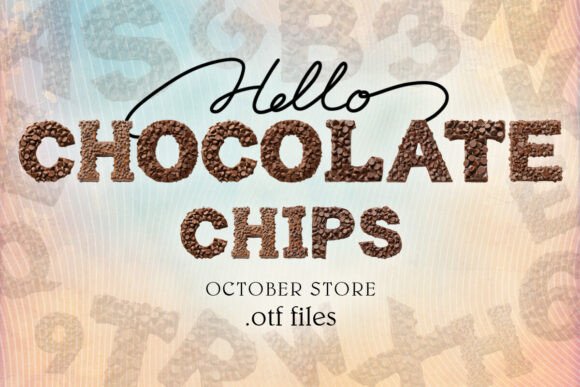
There is an immediate, visceral connection we make with the visual language of confectionery. The Chocolate Chips font taps directly into that sensory experience, transforming standard typography into a tactile delight. It is not merely a collection of letters; it is a playful nod to the classic comfort of baking and the indulgence of a chocolate chip cookie. For designers and creatives, this typeface offers a distinct personality that bridges the gap between whimsical illustration and functional text, making it a standout choice for projects that demand warmth and character.
A Typeface with Texture and Personality
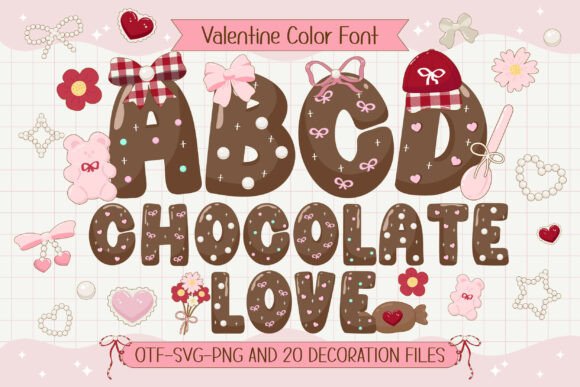
At its core, Chocolate Chips is a display font designed to capture attention rather than recede into the background. The visual characteristics are defined by its irregular, organic shapes. Each glyph mimics the look of dough studded with morsels of chocolate, giving the text a handcrafted, three-dimensional quality. Unlike rigid sans serif font families or formal serif font options, this typeface embraces imperfection. The letters feel soft, rounded, and inviting, which lends an air of authenticity to any layout. It is a premium font that prioritizes personality, making it an excellent tool for establishing a friendly and approachable tone.
The appeal lies in its ability to act as a visual metaphor. When you use Chocolate Chips, you are not just spelling out words; you are evoking the feeling of a home kitchen, a bakery display, or a holiday treat. This makes it a powerful asset for projects centered around comfort, love, and celebration. Whether you are designing for a cozy cafe or a high-energy baking blog, the font’s inherent charm sets the mood instantly.
Strategic Applications for Modern Creators
Understanding where this creative font fits best is key to leveraging its potential. Because it is a display font, it shines brightest in scenarios where impact is required over extended readability. It is an ideal candidate for logo design where the brand identity needs to communicate sweetness or artisanal quality. Imagine a local bakery or a gourmet chocolate shop; the Chocolate Chips typeface becomes the cornerstone of their visual identity, instantly telling customers what they are about.
Beyond logos, consider its utility in packaging design. For gourmet goods, holiday treats, or Valentine’s Day specials, this font can elevate a label from generic to memorable. It works beautifully on headers for social media graphics, particularly for food influencers or lifestyle bloggers looking to create a consistent, recognizable aesthetic. In editorial design, it serves as a captivating drop cap or pull quote style for food magazines, adding a layer of visual interest that standard modern typography often lacks.
Real-World Project Ideas
- Branding: Use it for a small business identity in the food industry, pairing it with earthy color palettes to emphasize natural ingredients.
- Digital Marketing: Create eye-catching email headers for holiday sales, especially for Valentine’s Day or Christmas promotions where warmth is essential.
- Print Materials: Design wedding invitations or party favors for baking-themed events. The font’s playful nature adds a personal touch that formal script font styles might miss.
- Web Design: Utilize it for hero text on landing pages for bakeries or confectioneries to set an immediate thematic tone.
Mastering the Pairing and Hierarchy
One of the most common challenges with display fonts is integration. Chocolate Chips has a strong voice, so it requires a supportive cast. A successful font pairing strategy involves contrast. Because Chocolate Chips is textured and playful, it pairs exceptionally well with clean, simple sans serif font families for body text. Think of fonts like Open Sans, Lato, or Roboto. These neutral backgrounds allow the headers to pop without creating visual chaos.
Avoid pairing it with other highly decorative fonts, such as ornate script font styles or complex handwritten font alternatives. The goal is to maintain a clear visual hierarchy. The Chocolate Chips font should draw the eye to the main message—your headline, title, or logo—while the supporting text remains easy to read. This balance ensures that your design assets look professional rather than cluttered.
Technical Considerations for Designers
When evaluating this commercial font for a project, context is everything. It is essential to review the included character set. The Chocolate Chips font includes a full suite of 26 alphabet letters and ten numerals, ensuring you have the basic building blocks for most design needs. However, because of its stylistic nature, always test the specific letters you will use. Some combinations in decorative fonts can create awkward spacing or overlaps.
Readability is another critical factor. While the font is legible at medium to large sizes—ideal for headers and titles—it is not intended for long-form body copy. Using it for paragraphs would strain the reader's eyes and dilute the design's impact. Instead, reserve it for high-impact moments where the visual style can be appreciated at a glance.
Understanding Licensing and Commercial Use
For entrepreneurs and small business owners, the legal aspect of using design assets is as important as the aesthetic. Chocolate Chips is a premium font, which typically means it comes with a license that governs how it can be used. Before incorporating it into a client’s brand identity or a commercial product line, ensure you have the correct license type.
Most commercial font licenses allow for use in digital and print media, but restrictions can vary regarding server embedding or merchandise. If you are a content creator planning to sell merchandise featuring this font, or a publisher using it on book covers, verify that your license covers these applications. Investing in the proper license not only supports the type designer but also protects your project from legal complications down the road.
Ultimately, the Chocolate Chips font is more than just a novelty; it is a versatile tool for creators who want to infuse their work with personality. By using it thoughtfully—respecting its style, pairing it wisely, and applying it to the right contexts—you can transform standard projects into memorable experiences that resonate with your audience.