Sweet Candy Cane: A Festive Font for Holiday Designs
There's a particular kind of energy that hits the creative world as the holiday season approaches. Suddenly, every design brief, social media post, and product mockup needs a touch of festive cheer. For years, the go-to solution was often a generic script or a heavy serif, but finding a typeface that genuinely captures the whimsical, sweet spirit of the season without looking cheap or overused can be a challenge. Enter Sweet Candy Cane, a display font that doesn't just whisper "holidays"—it sings it with the joyful cadence of a carol. This isn't your typical, stiff typeface. It's a premium font designed with a clear personality: playful, nostalgic, and undeniably festive, making it a standout choice for a wide array of creative projects.
More Than Just Stripes: The Anatomy of a Festive Typeface
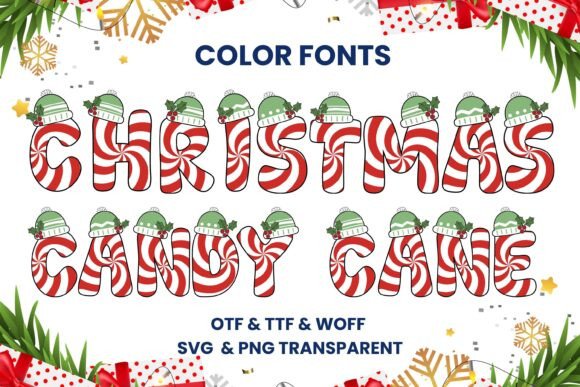
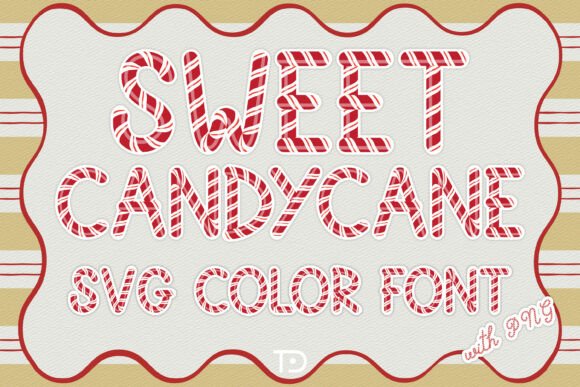
At first glance, Sweet Candy Cane is immediately recognizable. Its visual character is built on the classic imagery of the holiday treat itself. The letterforms feature soft, rounded edges that mimic the smooth, sugary texture of a real candy cane. The most defining feature is the subtle, integrated stripe effect within the strokes, giving it a textured, handcrafted feel that avoids the flatness of many digital fonts. This isn't a harsh, literal stripe, but a gentle suggestion that adds depth and charm. The script font style flows with a casual, handwritten rhythm, yet it maintains enough structure to remain highly legible at various sizes. It strikes a perfect balance—it's clearly a handwritten font, but with the polish and consistency expected of a professional design asset. This unique blend allows it to feel both personal and reliable, a crucial combination for brand identity work that aims to connect emotionally with an audience.
Practical Applications: Where Sweet Candy Cane Truly Shines
The real value of any creative font lies in its application. Sweet Candy Cane excels in contexts where warmth, celebration, and a touch of nostalgia are the goals. For small business owners and entrepreneurs, it's a powerful tool for seasonal packaging design. Imagine it on a bakery's holiday cookie box, a coffee shop's festive cup sleeve, or the label for a artisanal hot chocolate mix. It instantly communicates the product's seasonal nature and handmade quality. Graphic designers and marketers will find it invaluable for creating engaging social media graphics, holiday sale banners, and email newsletter headers that cut through the digital noise. Its festive personality is perfect for t-shirt designs and mug designs sold on print-on-demand platforms, offering a ready-made aesthetic that resonates with gift shoppers.
Beyond commercial use, its applications in personal projects are equally rich. Crafters and hobbyists can use it for custom Christmas cards, party invitations, gift tags, and scrapbooking layouts. For bloggers and content creators, it can style the titles of holiday recipe posts, gift guide roundups, or seasonal DIY tutorials, adding visual flair that matches the content's spirit. Even in editorial design, such as a holiday-themed magazine spread or a community newsletter, it can serve as a captivating headline font, drawing readers in with its friendly appeal. The key is understanding its role: Sweet Candy Cane is a display font at heart, meant for headlines, logos, and short bursts of impactful text where its personality can be fully appreciated without compromising readability in long paragraphs.
Strategic Font Pairing and Project Evaluation
Integrating a distinctive font like Sweet Candy Cane into a cohesive design requires thoughtful pairing. Because it carries so much personality, it often works best when balanced with a more neutral companion. A clean, geometric sans serif font for body text or supporting information creates a beautiful contrast, allowing the festive header to pop without overwhelming the viewer. For a more traditional or elegant holiday look, pairing it with a classic serif font can create a sophisticated hierarchy. The goal of font pairing is to create visual harmony and clear visual hierarchy, ensuring the most important information (often set in Sweet Candy Cane) captures attention, while secondary text remains easy to read.
Before committing to any commercial font, a practical evaluation is essential. Ask yourself: Does the tone of Sweet Candy Cane align with my project's core message? It's perfect for a children's holiday event or a cozy family brand, but might not suit a luxury tech company's winter campaign. Test it in context. Create a quick mockup of your logo design, web design header, or product packaging. View it at the sizes you'll actually use. Check the readability of any alternate characters or ligatures it might include. A quality premium font will often come with multiple stylistic sets, swashes, or ornaments that can add extra customization. Finally, always review the licensing. Ensure the font's license covers your intended use, whether it's for a single client project, unlimited commercial print runs, or digital distribution. By treating Sweet Candy Cane not just as a decorative element but as a strategic component of your brand identity and design system, you can leverage its festive charm to create truly memorable and effective holiday communications that resonate deeply with your audience.