Awesome: A Dynamic Color Font for Stand-Out Designs
When you’re searching for a creative font that doesn’t just sit on the page but practically jumps off it, you need something with personality. Awesome is exactly what it sounds like—a vibrant, energetic typeface designed to inject life into your projects. It is a premium font that embraces a fun, colorful aesthetic, offering a dynamic feel that static typefaces simply cannot match. If you are tired of flat designs and want to add a splash of excitement to your work, understanding the potential of this unique asset is the first step toward elevating your creative output.
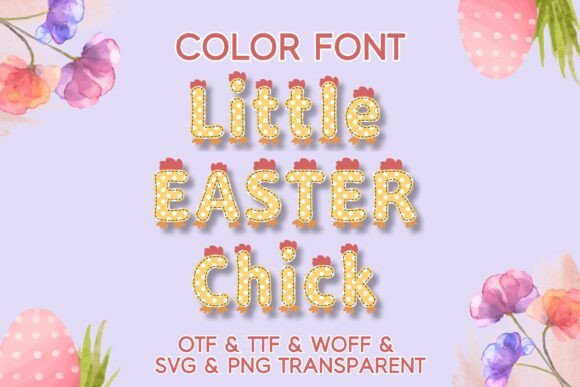
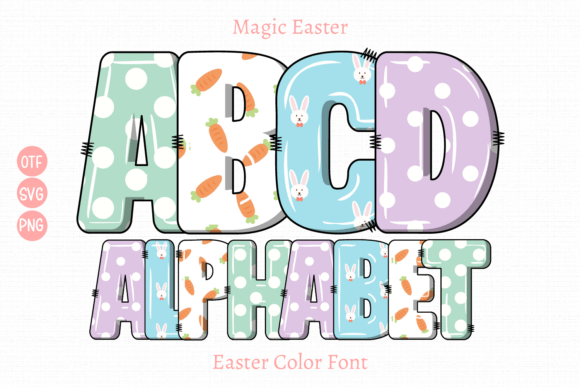
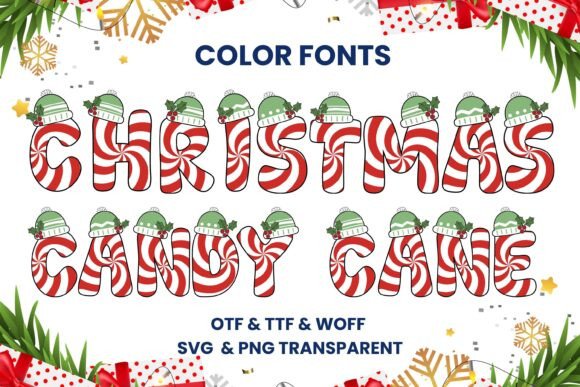
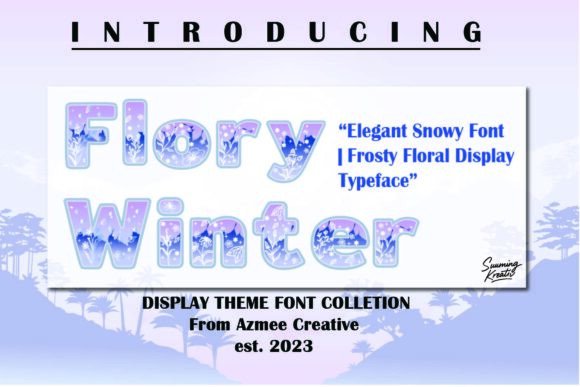
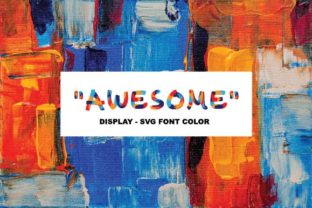
Visually, Awesome is distinct. It is a color font, technically known as an OpenType-SVG font. This means the color and texture are embedded directly into the vector file. When you type with Awesome, you aren't just getting outlines that you have to fill manually; you are getting a pre-designed, colorful character immediately. This font captures a sense of movement and whimsy. It works exceptionally well for projects that require a high-energy vibe. Whether you are working on logo design, packaging design, or social media graphics, the inherent style of Awesome provides a visual hook that draws the viewer in. It is a departure from the rigid structure of a standard sans serif font or the traditional gravity of a serif font, occupying a space that is purely about fun and engagement.
Practical Applications for Designers and Creators
The utility of a display font like Awesome lies in its versatility across different media, provided you use it in the right context. Because it is a color font, it shines brightest when used for headlines, logos, and single-line statements. It is an excellent choice for brand identity work targeting younger demographics or brands that want to appear approachable and modern. Think about a children’s book cover, a party invitation, or a bakery logo. In these scenarios, Awesome acts as a central design element rather than just text.
For web design and digital marketing, this typeface can transform a standard landing page. Using it for a hero section headline can immediately communicate the tone of your brand. However, it is important to balance this creative font with readability. You would not want to use Awesome for long paragraphs of body copy; its complex visual nature makes it best suited for short bursts of text. Instead, pair it with a clean, legible modern typography option for your body text—perhaps a neutral sans serif font—to create a clear visual hierarchy.
Small business owners and entrepreneurs will find this font particularly useful for packaging design. Imagine a coffee bag or a cosmetics box where the product name pops with color and texture without the need for expensive multi-color printing processes. Since the color is embedded in the font file, you can achieve a complex look with a single print pass, provided your printer supports the format. It is also a fantastic tool for publishing, especially for chapter titles in editorial design or magazine covers that need to grab attention on a crowded newsstand or digital feed.
Technical Considerations and Font Pairings
Before integrating Awesome into your workflow, it is crucial to understand the technical requirements. As an OpenType-SVG font, it behaves differently than standard TTF or OTF files. It is compatible with major design software including Adobe Photoshop, Illustrator, and Inkscape. This makes it a robust addition to a designer's toolkit of design assets. However, compatibility varies across all platforms. For instance, this specific product is not compatible with Cricut machines. If you are a crafter or hobbyist using cutting machines, you will need to convert the text to a shape or use a different file format to achieve a similar look, or check our specific guides for workarounds.
When it comes to font pairing, the goal is to let Awesome be the star of the show. Because it has a strong personality, it can clash with other decorative styles. Avoid pairing it with a busy script font or an overly ornate handwritten font. Instead, look for contrast. A geometric sans serif or a simple slab serif provides a solid foundation that grounds the playfulness of Awesome. This contrast ensures that your message remains clear while still maintaining a modern typography feel. The professionalism of your design relies on this balance; you want the brand identity to feel cohesive, not chaotic.
Evaluating Fit and Commercial Use
When selecting any commercial font, you must consider the licensing and the specific needs of your project. Awesome is designed to be a premium font solution for those who need high-quality, colorful type. Before finalizing your choice, test it within your specific layout. Does the color of the font complement your brand palette? Since the color is embedded, you will need to ensure it aligns with your existing visual identity. In Photoshop, you can often overlay colors or use blending modes to adjust the look, but the base design is set.
For content creators and marketers, the ability to stand out is often tied to how well you utilize your design assets. A font like Awesome is not just a way to display text; it is a way to communicate emotion instantly. It removes the barrier between an idea and a visually striking execution. Whether you are creating thumbnails for video content, headers for blog posts, or graphics for a local event, the right typography choice can significantly impact audience engagement.
Ultimately, choosing Awesome is about embracing a bold, expressive style. It is a tool for those who want their designs to feel alive. By respecting its technical nature as an OpenType-SVG file and pairing it thoughtfully with simpler typefaces, you can leverage its unique charm to create memorable designs that truly stand out in a crowded marketplace. It bridges the gap between illustration and typography, offering a versatile solution for the modern creative professional.